The Edge is Where We Go to Grow

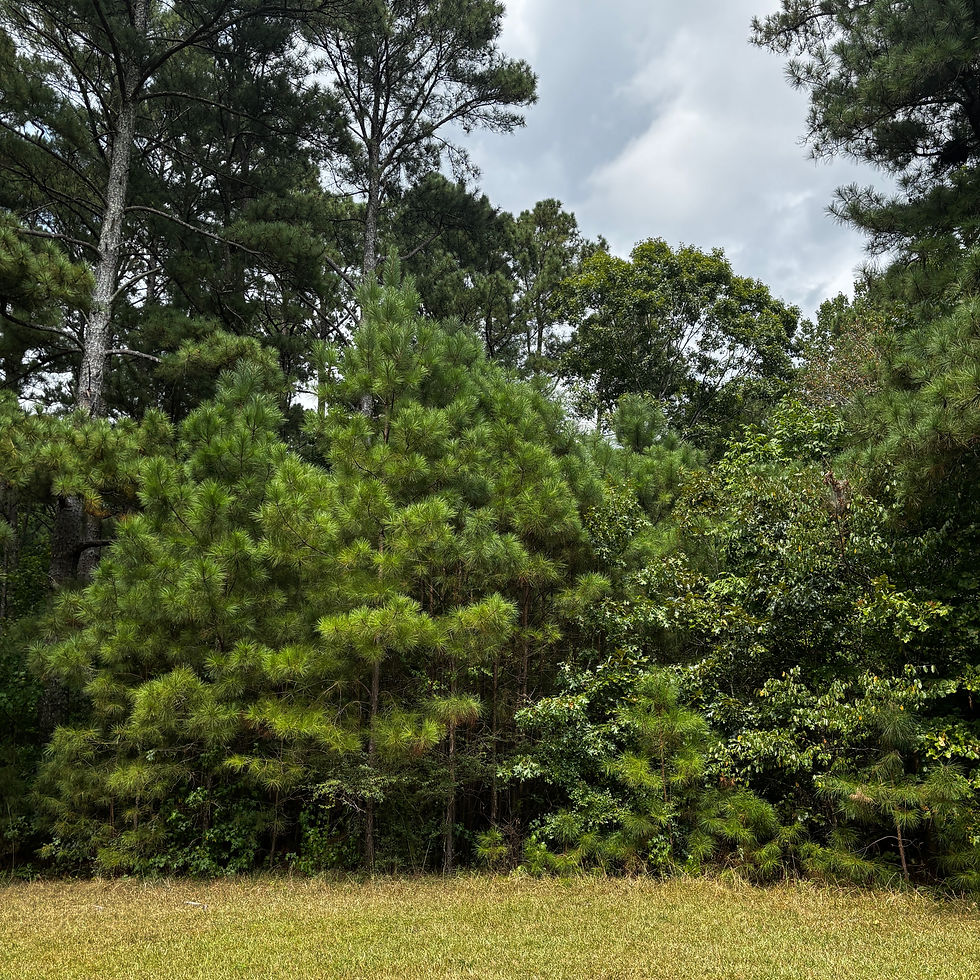
For naturalists, the edges of the forest often represent some of the most dynamic, complex, and vital landscapes on Earth. These “ecotones” often serve as a focal point for studying biodiversity and environmental change. Think dense forest meets open meadow; a transition from grasses to taller grasses, vines, shrubs, saplings, and finally mature canopy.
As a Forest Therapy guide, I think of the edges as the place where the most powerful learning and transformation can happen. Edges are places where some people might feel slight discomfort, and that discomfort shows up in different ways.
It can start as an outward appearance of dissatisfaction with the Forest Therapy experience; in reality, there is a high probability that powerful work is happening internally. Our work is to guide others toward sensory experiences with nature in safe, meaningful ways that reduce stress. Yet, for some, these experiences are “edgy” and feel uncomfortable. Some common “edges” experienced by participants include:
Anxiety with “slowing down”
Encountering grief
Interacting with others
Contacting life through sensory connection
Feeling incompetent in nature
Fear of Nature
A trained guide knows how to communicate with participants prior to the Forest Therapy walk about these possible edges and how to adapt experiences in the moment on the trail. Of course, guides remind all participants that the Forest Therapy experiences referred to as “invitations” during the walk are optional. Participants are free to adjust each experience offered to meet their comfort level and needs.
My Own Story of An Edge
I attended a Forest Therapy Walk at the Chattahoochee Nature Center. We were having a delightful walk, and at one point, we were encouraged to smell the leaves of a particular plant on the trail. I didn’t think I would be able to smell anything, as I had recently lost my sense of smell after taking some high-powered antibiotics. I hadn’t smelled anything in months!
Lo and behold, I could smell the peppery scent of this plant, and it was glorious…and it was sad, all at the same time. I was a little overwhelmed by the unexpected mix of emotions. I did not want to participate in the next invitation. I only wanted to sit and smell the leaves of this plant (and cry). I knew that I could opt to skip what the guide was offering to the other participants in the moment and just “be with” this plant and my feelings. I was encountering the grief left unexpressed at the loss of my olfactory sense AND I had the freedom to deal with it in my own way. Nature was my therapist; the guide simply opened the door.
Edges can feel uncomfortable, and I know from firsthand experience that they're where transformation happens!
“Look well to the growing edge”. ~Howard Thurman

Comments